Van Life with Dogs: Tips for Happy Adventures
The Wander Station work with affiliate advertising programs to provide income for our site. This article may contain affiliate links. We participate in the Amazon Services LLC Associates Program, an affiliate advertising program designed to provide a means for sites to earn advertising fees by advertising and linking to Amazon.com and Amazon.co.uk. Amazon and the Amazon logo are trademarks of Amazon.com, Inc. or its affiliates.
Let’s talk about dogs in campervans and motorhomes…
There’s something about life in a campervan that seems tailor-made for dogs, like unhurried mornings, muddy boots by the door and a new walk waiting in each new place. Taking dogs away in a campervan is about sharing the journey, adapting to a smaller space and learning to slow down together. From coastal sunsets to rain-soaked lay-bys, dogs bring both joy and chaos to van life, and, with a bit of planning, they can turn a simple road trip into a rewarding adventure. It’s not always spotless or predictable, but sharing van life with a dog brings a special kind of joy and it’s one built on fresh air, flexible plans and the pleasure of going somewhere new together.
We’ll tell you about our first time taking our pups (not really pups, they’re both 4!) away and then we’ll share our list of tips for having a happy van experience with your dogs. If you’ve any extra tips that we’ve missed, pop them in the comments at the end of the article. 🙂
How was our first van trip with our dogs?
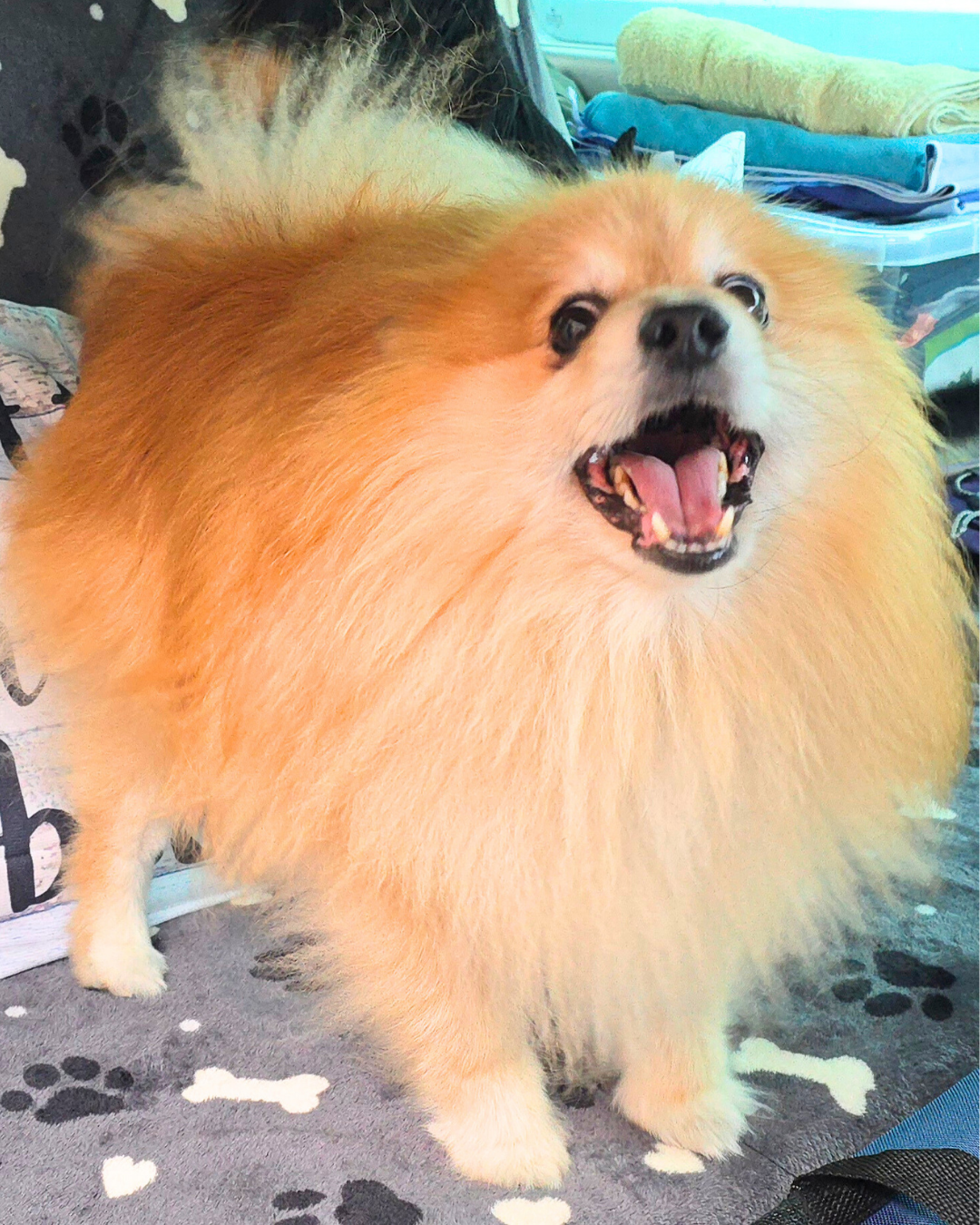
Our first time taking the dogs in the van was interesting to say the least! We have two small dogs, one is a Pomeranian who is very highly strung, the other one is a Chorkie (a Yorkshire Terrier and Chihuahua cross) and he’s quite chilled. Stupidly, we didn’t take them for a drive in the van before we went away and our Pomeranian barked virtually the whole hour and a half drive on our first trip. It. Was. Horrendous.
The Pom has always been excitable in the car (no, nothing we’ve ever done has helped the initial madness and yes they are both crate trained), but we’ve never known anything like this journey. Whether he didn’t want to be in the crate, or was picking up on our excitement of our first trip, I don’t know. What I do know is that an hour and a half was way too much for our ears! The good thing was, our Chorkie is so chilled he just laid down and totally ignored his brother, so at least we didn’t have them both barking.
If I could rewind, I would definitely suggest acclimatising the dogs to any different sort of journey, even just short trips around the block or short ten minute drives. We just went straight in for an hour and a half drive and it was a silly mistake.
In the car, we normally use a lead which attaches to the headrest and to their harness (pretty much these exact Dog Seat Belt Harness), but we wanted something more secure for the camper. We opted for a foldable dog crate from Amazon, and it’s absolutely brilliant.
They do have a small sized metal crate each at home, so both are crate trained, but didn’t want the bulk and weight of them in the van. I bought the large size in the foldable crate so it would comfortably fit both of our dogs (they’re about 6 kg each). The side mesh is very tough, and it has zip openings on the side, front and top, plus a handy little storage pouch. I was really impressed when it arrived. It held them securely, didn’t move at all and felt very sturdy. It also folds down flat, which is perfect for travelling in the van. Overall, it’s really, really good and I wholeheartedly recommend getting one.
🛍️ Helpful Product: The foldable dog crate for the van is from Amazon. As above, it’s easy to put up and down and really sturdy for the price. They come in different sizes, and the large size holds our two dogs (6kg each) perfectly. See further details below.

- Small 4-door folding pet travel kennel with soft sides for cats, dogs, rabbits and other small animals
- Top door for sunlight and breathability, front and side doors with zip lock clips for added security; included straps to roll up and secure fabric doors when leaving the portable dog crate open
- Carrying handle and padded shoulder strap for easy transport when the pet kennel is folded; includes removable fleece pet bed pad

How did our crazy Pom behave?!
I’ve heard horror stories of dogs barking all night and day on sites and had visions of the Pom being a nightmare and being one of ‘those’ dogs, especially after the journey there, but they were both good as gold for our stay – hurrah!
They enjoyed their new surrounds and the walk around the site and I was really impressed because they slept through the night. The only time they reacted was if they heard another dog bark, and even then it was just a bark or two in response. Hopefully that was okay and didn’t annoy anyone. I did bump into someone when I took them out during the night for a wee, which startled them and made the pom bark briefly, but the guy was really understanding and said, “Don’t worry about it, he’s just doing his job,” which was nice.


What sort of site should you pick for your dogs?
It goes without saying that we chose somewhere that allows dogs. We also made sure it was safe and suitable for them. We picked a spot that had a dog-friendly walk right nearby, which was a huge bonus. We stayed in Wharfedale, and it was lovely (we’ve got a separate post about Wharfedale here). The only downside was that we arrived just as it was getting dark, so we didn’t really get to make the most of the walk with the dogs that first evening.
We’ve also just visited The Kendal CAMC site over weekend (review coming soon). Although I believe all CAMC sites are dog-friendly, and dogs stay free, Kendal felt more geared-up for dogs than Wharfedale was. There were more dog-waste bins around and the walks all around the site were absolutely wonderful. It just goes to show that even with the same offerings in principle, in reality you don’t fully know how it’ll feel for the pups til you get there.
Ideally, there should be dog-friendly walks, paths or open space nearby so they’re not stuck inside the van. Be aware of livestock such as sheep or cows, especially if your dogs are barky or excitable, and try to avoid places where lots of loose dogs are likely to be passing through.
If you’re not staying on an official site, the most important thing to think about is safety. Make sure to avoid spots close to fast roads, steep drops, cliffs or open water. You’ll also want enough space to get the dogs in and out of the van calmly without traffic passing right next to you. At the end of the day, if a place doesn’t feel right for you, it probably won’t feel right for your dogs either, just trust your gut.
What did we take for the dogs on our first trip?
Most important to our dogs, we took plenty of dog food and treats. For food, we feed both dogs a mix of Darf compressed small dog food and Butcher’s Heart Health, as our Pomeranian has Mitral Valve Disease (link here from the PDSA about MVD if you want to know more). While we were away, they didn’t eat much, but we think that was just because they were too excited. Treats were a must too, as they both always get a treat every morning, mainly Wheezy’s crocodile treats, which they love.
We use metal bowls because they don’t break, are easy to clean, and stack neatly for storage. We took one bowl for water and two separate bowls for food. We also have a foldable water bottle/bowl. We use it on daily walks so it’s always attached to the dog walk bag anyway. We got ours from Home Bargains but here’s a very similar Portable Pet Water Bottle on Amazon.
We took their harnesses and leads, of course. We use Gooby harnesses (you can see them in our pictures, and below via Amazon, and they come in all different colours and sizes), which are ideal for Pomeranians as they don’t put pressure on the throat. They’re soft, comfortable, don’t rub under the arms and wash really easily. We do have collars for the dogs with tags attached (with phone numbers and pointing out they are both microchipped), but we only use them out of the house, and don’t ever attach leads to them.

- DOG HARNESSES FOR SMALL DOGS ? Gooby?s Comfort X Harness is made for small breed dogs. This means that our largest size will fit a dog up to 30 lbs. In order to fully utilize the functionality of the…
- LIGHT WEIGHT ? Polyester mesh keeps the body temperature cool. It is also very light in weight and easy to take care of (just machine wash cold and air dry) ideal for an everyday use for your dog.
- NOTE: When choosing the correct size, we recommend measuring the largest part of the dog’s chest and follow the chest sizing first and foremost. If between sizes, please size up
For the leads we attach to their harnesses, we use bungee leads from Pets at Home. Some people don’t like them, but we really do. We also took retractable leads for extra freedom, as I’ve never ever let any of my dogs off-lead in public spaces. With our very missed and loved Staffy we used to use a horse lunge lead – basically a 20 meter lead. With these two, because they’re obviously not as strong as a Staffordshire Bull Terrier, we’ve got normal retractable leads, again from Pets at Home.
We packed dog coats. The Pom doesn’t really need a coat, it’s more for our benefit to keep the rain off him and reduce cleaning, but the Chorkie has a coat and a little hoodie sometimes because he’s sensitive and gets cold easily (or we’re too soft!).
Other essentials included towels for drying muddy paws, a dog bed and a mat to go under the food and water bowls (ours is from Poundland, but there are loads on Amazon). We also packed the pills our Pom needs, and will also include the Bugalugs Hemp Oil Calming Drops in future to see if they help calm the Pom a bit more.
Most importantly, we just enjoyed the time with them, letting them explore, settle in and have happy days with us.
Ultimate Checklist for Travelling with Dogs in a Campervan
We don’t use ALL of the below tips, although many we absolutely do, but have included as many as we can think of that might help you prepare.
- Do a few short practice trips so your dog gets used to the van sounds, movement, and space.
- Health check basics: Up-to-date tags, microchip details, flea/tick prevention and enough meds if they need any, maybe antiseptic spray just incase.
- Pack a dog kit: Food, treats, bowls, poo bags, towels, grooming brush and a familiar blanket or bed.
- Fresh water always. If you’re staying onsite you’ll have access to water, but if not take a supply for both you and your dog as streams etc aren’t always safe.
- A Portable Pet Water Bottle is also quite handy, we use ours all the time.
- Never let them roam free while driving. Use a crash-tested harness with a seatbelt, a secured crate (like this foldable dog crate) or a dog guard area.
- Ventilation matters. Crack windows or use roof vents as vans heat up fast.
- Never leave them alone in a parked camper, even just for five minutes. (We know this does happen, but we just can’t do it).
- Create a dog zone with their bed in a quiet corner if you’ve got the space. Dogs relax faster when they have a clear spot that’s theirs. Ours do happily sleep on the bed with us, but we know that’s not for everyone.
- If you’re attending any loud events or ones that will have fireworks, see our tips for Keeping Vanlife Pets Calm During Fireworks and Noisy Events.
- Non-slip mats for food bowls and your pups. They help dogs feel stable when the van moves or people shuffle around and also helps soak up any bowl food or water spillage.
- Stick to routines as much as possible (feeding times, walks, bedtime etc).
- Check dog rules in advance as some campsites have leash rules or dog-free areas.
- Bring a long line so they can roam safely and securely outside. We have a spiral ground stake and a non-chewable cable line so they can be safely secured, but we’re yet to use them.
- Night-time tip: A light-up dog collar or tag is great when it’s dark.
- Scout walks in advance on an app (alltrails.com) so you know distance, terrain and livestock risks.
- Check whether livestock are around as this is not ideal if your dogs bark or get excited.
- If you’re staying off-site, check there’s enough space to get dogs in and out calmly without traffic right next to you. Maybe avoid places right next to fast roads, cliff edges, steep drops or deep water.
- Watch paws as hot sand, sharp rocks or long hikes can sneak up on them.
- Towels for by the door for cleaning up mucky paws and fur and baby wipes are useful too (Easy Ways to Keep Clean While Camping)
- Paw cleaner cups are great IF your dog will let you use one!
- Accept that the van will get dirty. This is the price of joy haha!
- A dog lick mat or chew for evenings when the weather’s grim.
- Calming spray or chew if your dog gets unsettled sleeping somewhere new. We’ve got Bugalugs Hemp Oil Calming Drops to try next time – fingers crossed!
- Leave no trace. This is especially important when dogs are involved.
- Finally, you can find some other general and quick campervan life tips we’ve discovered here and our main Vanlife Hub can be found here.
Thanks for reading our article, it’s much appreciated and we hope you found it useful! If so, it would be great if you could share it using the sharing buttons below this box, or the ones right up at the top!
Also, why not come and follow us on our Social Media channels? You can find us on Facebook, Instagram, X, TikTok, YouTube and Pinterest.
The Wander Station work with affiliate advertising programs to provide income for our site. This article may contain affiliate links. We participate in the Amazon Services LLC Associates Program, an affiliate advertising program designed to provide a means for sites to earn advertising fees by advertising and linking to Amazon.com and Amazon.co.uk. Amazon and the Amazon logo are trademarks of Amazon.com, Inc. or its affiliates.
Last update on 2026-11-06 / Affiliate links / Images from Amazon Product Advertising API